Walk into any skincare store and you'll be bombarded with products featuring mysterious acronyms: AHA, BHA, PHA. These chemical exfoliants have become skincare staples, promising everything from clearer pores to brighter skin.
But here's the thing: not all acids are created equal, and using the wrong one for your skin type can do more harm than good.
Let's break down everything you need to know about these powerhouse ingredients.
What Is Chemical Exfoliation?
Unlike physical scrubs that manually buff away dead skin cells, chemical exfoliants use acids to dissolve the bonds holding dead cells to your skin's surface. The result? Smoother texture, unclogged pores, and a brighter complexion — without the micro-tears that harsh scrubs can cause.
There are three main types of chemical exfoliants:
- AHA (Alpha Hydroxy Acid) — Water-soluble, works on skin's surface
- BHA (Beta Hydroxy Acid) — Oil-soluble, penetrates into pores
- PHA (Polyhydroxy Acid) — Larger molecules, gentlest option
AHA: The Brightening Expert
Best for: Sun damage, uneven skin tone, fine lines, dry skin
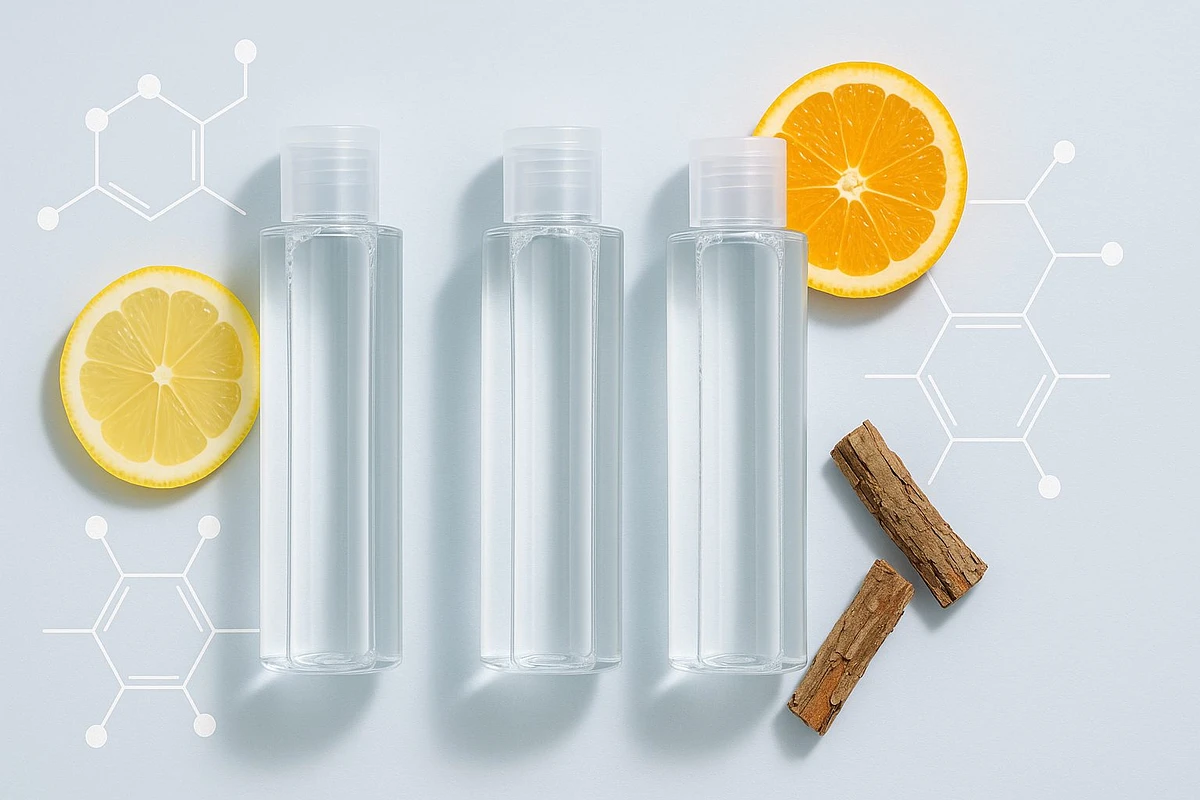
Alpha Hydroxy Acids are water-soluble acids derived from fruits and milk. Common types include:
- Glycolic Acid (from sugar cane) — smallest molecule, most potent
- Lactic Acid (from milk) — gentler, also hydrating
- Mandelic Acid (from almonds) — larger molecule, good for sensitive skin
How it works: AHAs break down the "glue" holding dead skin cells together, revealing fresher skin underneath. They also stimulate collagen production and help with hyperpigmentation.
Important note: AHAs increase sun sensitivity, so SPF is non-negotiable when using them.
BHA: The Pore-Clearing Powerhouse
Best for: Acne, blackheads, oily skin, enlarged pores
The most common BHA is Salicylic Acid, derived from willow bark. What makes BHA special is that it's oil-soluble, meaning it can actually penetrate into your pores and clean them from the inside out.
How it works: BHA dissolves the oil and dead skin cells clogging your pores, making it incredibly effective for acne-prone skin. It also has anti-inflammatory properties, helping to calm redness and irritation.
If you struggle with blackheads, whiteheads, or recurring breakouts, BHA should be your go-to acid.
PHA: The Gentle Giant
Best for: Sensitive skin, rosacea-prone skin, beginners to acids
Polyhydroxy Acids (like Gluconolactone and Lactobionic Acid) are the newest generation of chemical exfoliants. Their larger molecular size means they don't penetrate as deeply, resulting in less irritation while still providing exfoliation benefits.
How it works: PHAs work similarly to AHAs but more gently. They also have humectant properties, meaning they attract moisture to the skin — a bonus for those with dry or dehydrated skin.
The Triple Acid Approach
Here's where it gets interesting: combining all three acids can provide comprehensive exfoliation while minimising irritation. The different acids work at different depths, creating a synergistic effect.
Korean skincare brands have perfected this "triple acid" formula approach, creating products that deliver results without the harshness of single high-concentration acids.
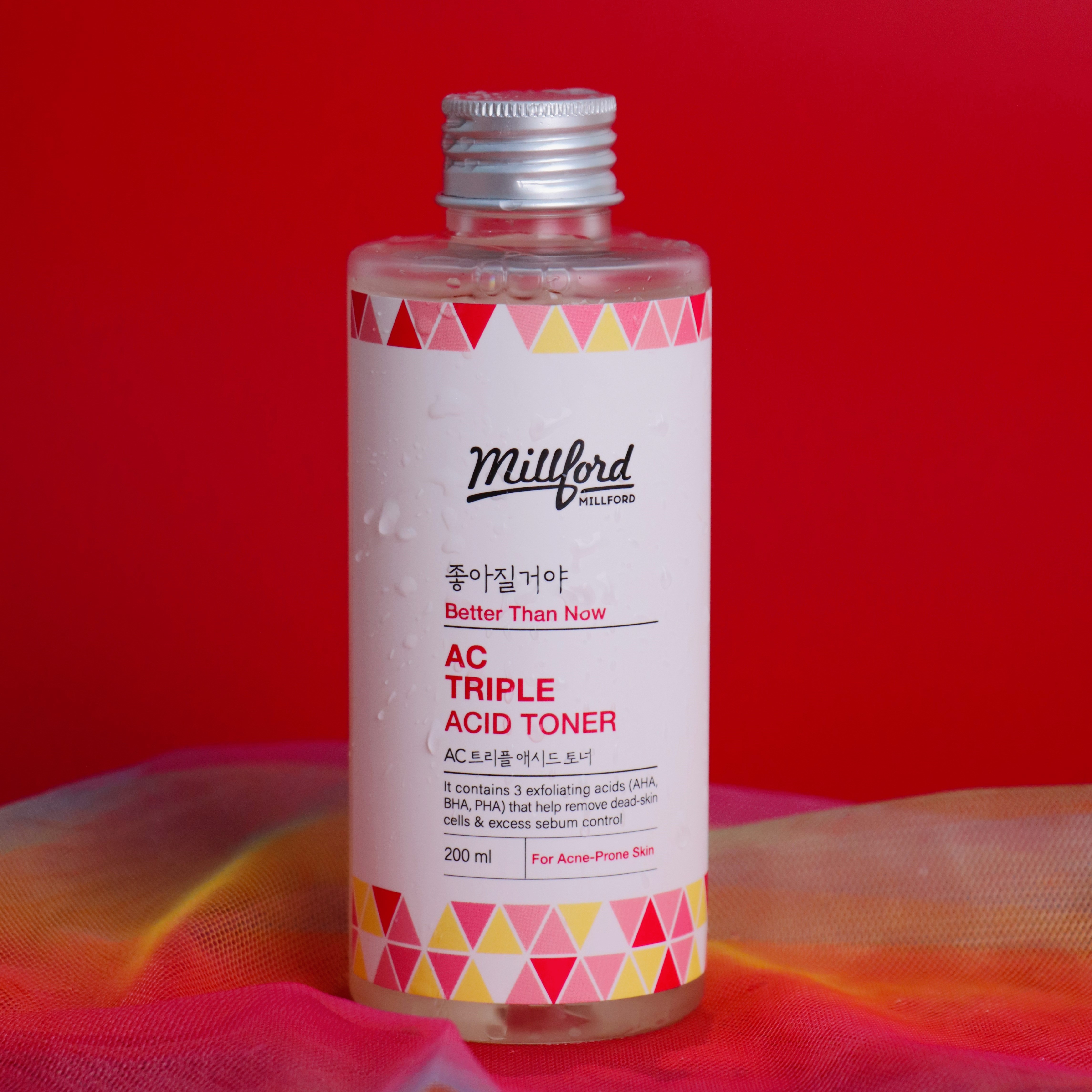
A triple acid toner combines AHA, BHA, and PHA for comprehensive yet gentle exfoliation
Choosing the Right Acid for Your Skin Concerns
| Skin Concern | Best Acid | Why |
|---|---|---|
| Acne & Blackheads | BHA | Penetrates pores, dissolves oil |
| Dark Spots & Hyperpigmentation | AHA | Speeds cell turnover, fades discolouration |
| Fine Lines & Texture | AHA | Stimulates collagen, smooths surface |
| Sensitive Skin | PHA | Gentle exfoliation, less irritation |
| Oily Skin + Ageing | AHA + BHA combo | Addresses multiple concerns |
Building an Acne-Fighting Routine
If acne is your main concern, here's how to build an effective routine using chemical exfoliation:
Step 1: Cleanse Properly
Start with a cleanser formulated for acne-prone skin. Look for gentle, non-stripping formulas that won't disrupt your skin barrier.
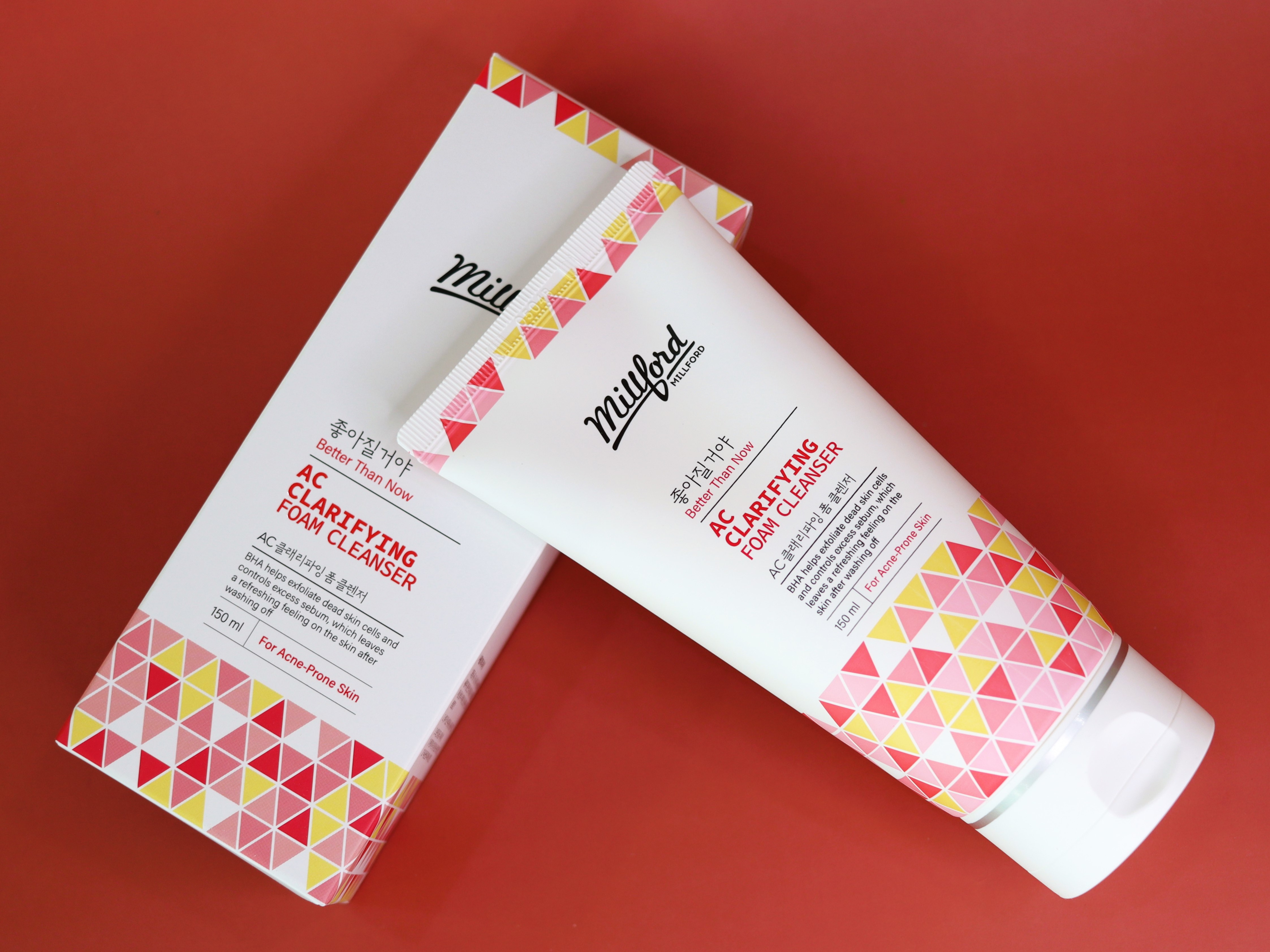
A clarifying cleanser helps prep skin for acid treatment
Step 2: Exfoliate with Acids
Apply your acid toner or treatment. If you're new to acids, start with 2-3 times per week and gradually increase.
Step 3: Treat Active Breakouts
For stubborn spots, a targeted treatment with Niacinamide and Zinc can help reduce inflammation and speed healing.
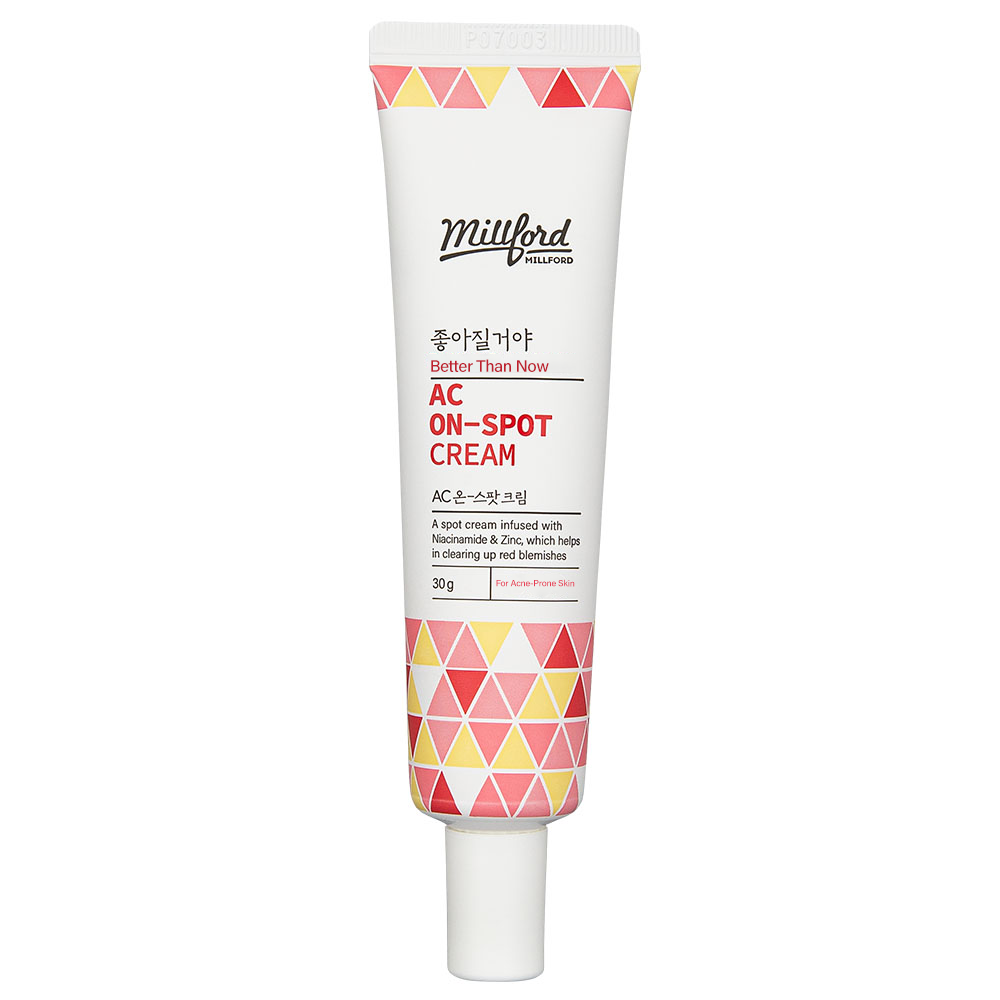
Targeted spot treatment for active breakouts
Step 4: Hydrate (Yes, Even Oily Skin!)
Oily and acne-prone skin still needs hydration. Choose lightweight, oil-free formulas that won't clog pores.
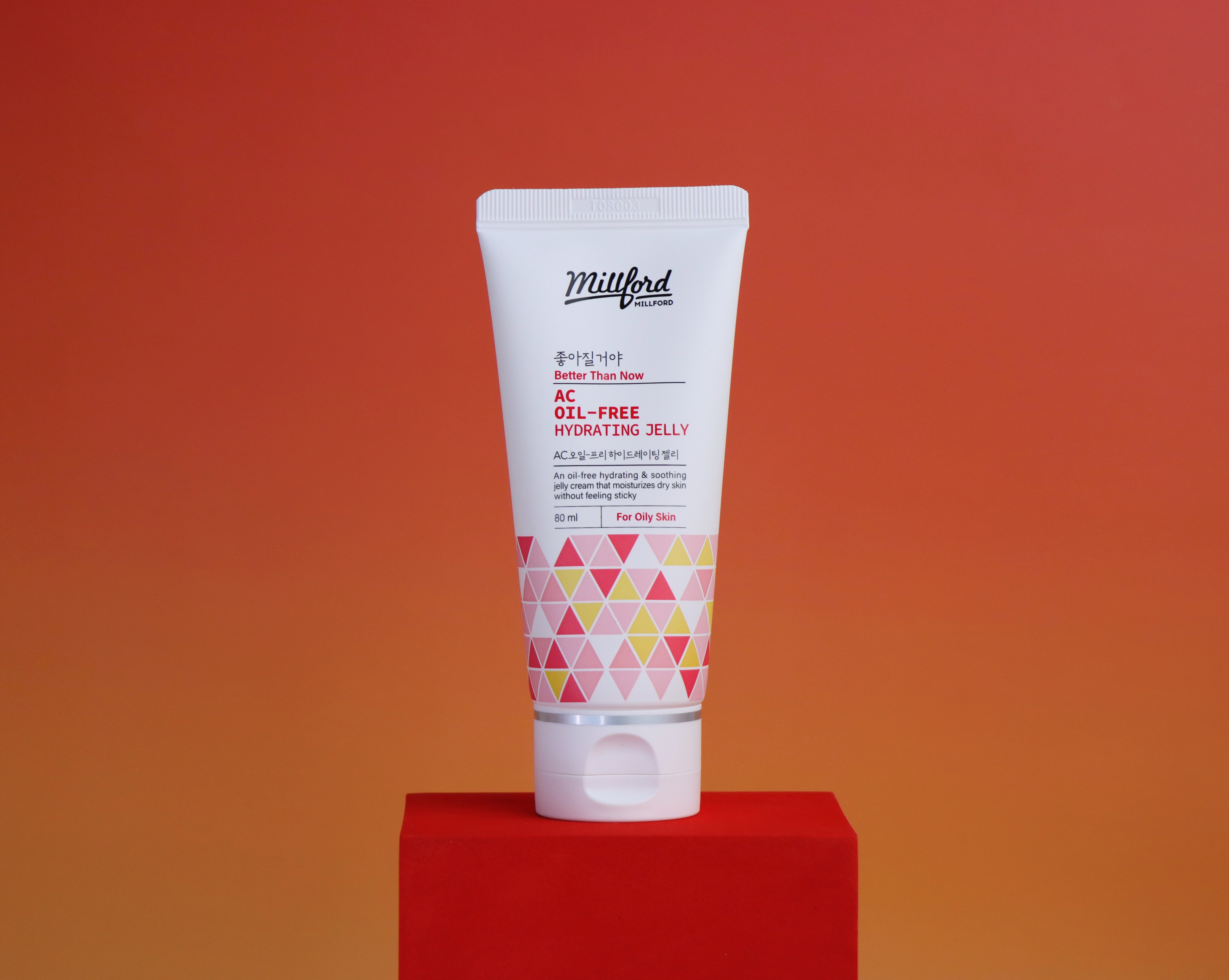
Oil-free jelly cream provides hydration without clogging pores
Step 5: Protect
SPF is crucial, especially when using acids. Look for lightweight, non-comedogenic sunscreens.
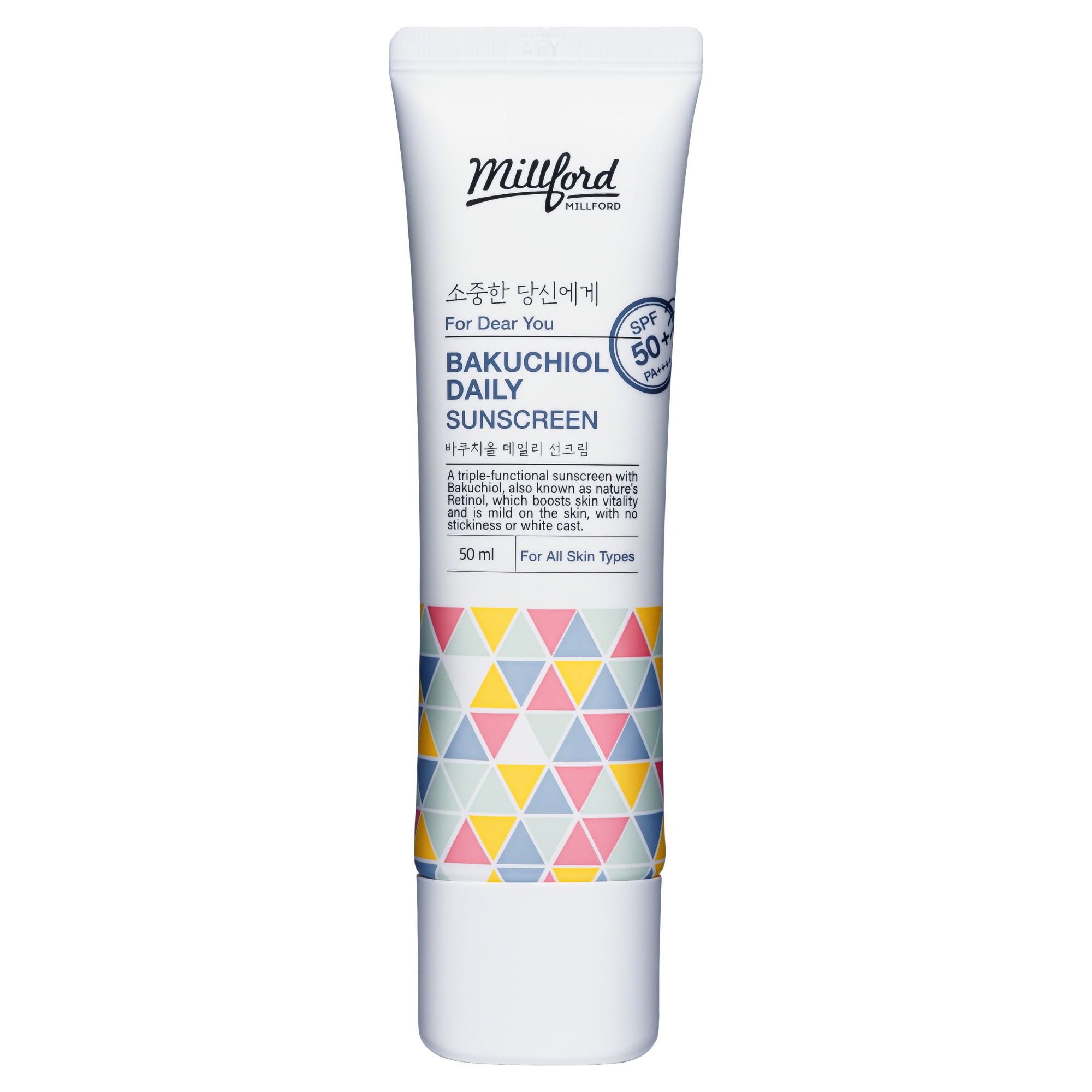
Bakuchiol sunscreen offers SPF50+ protection with added anti-ageing benefits
Weekly Deep Clean: The Bubbling Mask
Once or twice a week, treat your skin to a deep-cleansing mask. Oxygenating bubble masks are particularly effective — they use oxygen bubbles to lift out impurities from deep within pores.
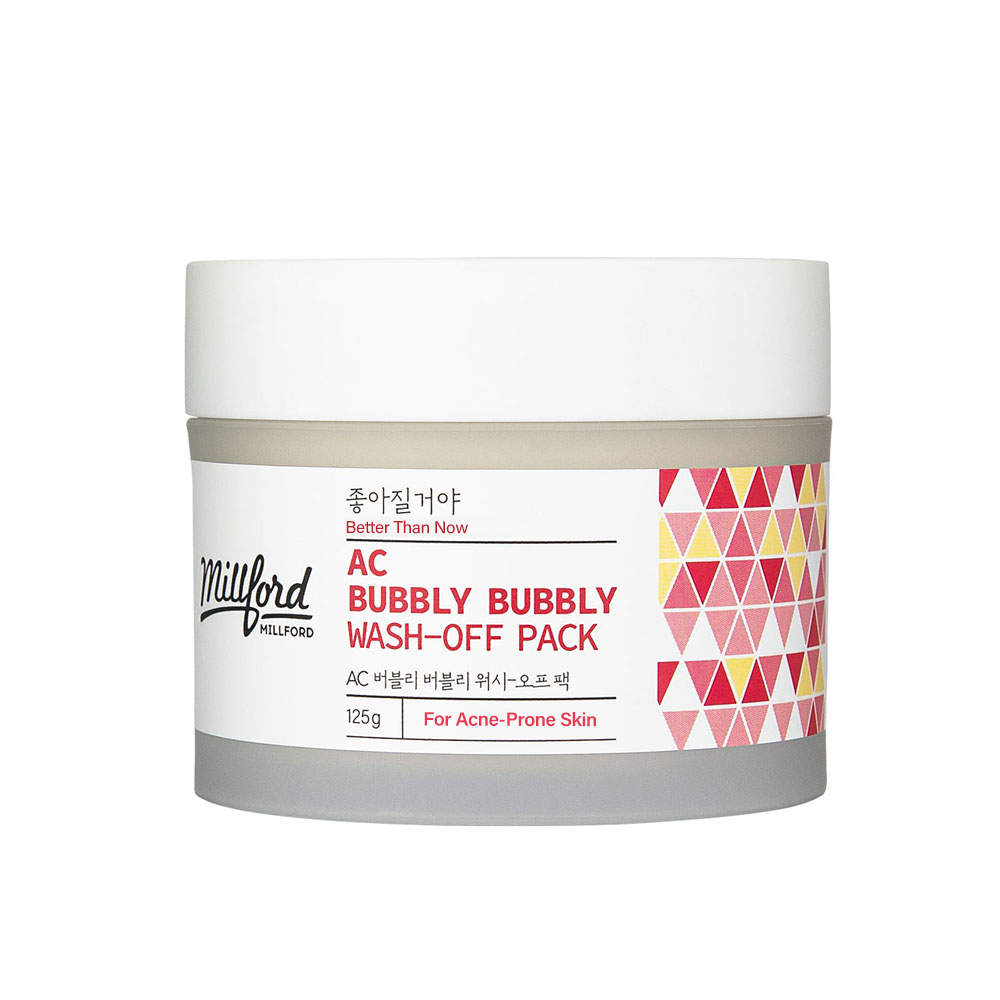
Bubbling masks make deep cleansing fun and effective
Beyond Acne: Hydration & Anti-Ageing
Not everyone's skin journey is about acne. If hydration or anti-ageing is your focus, the same principles apply — gentle, consistent care with the right active ingredients.
For hydration, look for products with:
- Panthenol (Vitamin B5) — soothes and retains moisture
- Hyaluronic Acid — attracts water to skin
- Ceramides — strengthens skin barrier
For anti-ageing, consider:
- Vitamin A derivatives — stimulates cell turnover
- Collagen — supports skin firmness
- Peptides — signals skin to produce more collagen
The Philosophy of Joyful Skincare
Here's something we often forget: skincare should feel good. If your routine feels like a chore, you won't stick with it. Korean beauty brands understand this, which is why they focus on creating products that are effective and pleasant to use.
The textures, the scents, the experience — it all matters. When you look forward to your skincare routine, consistency comes naturally. And consistency is what delivers results.
Key Takeaways
- AHA for surface-level concerns: brightening, texture, fine lines
- BHA for pore-level concerns: acne, blackheads, oily skin
- PHA for sensitive skin that needs gentle exfoliation
- Start slow and build up tolerance
- Always use SPF when incorporating acids
- Choose products you enjoy using — consistency is key
Understanding which acids work for your skin is the first step to achieving the clear, healthy complexion you're after. Take your time, listen to your skin, and enjoy the journey.
.png)